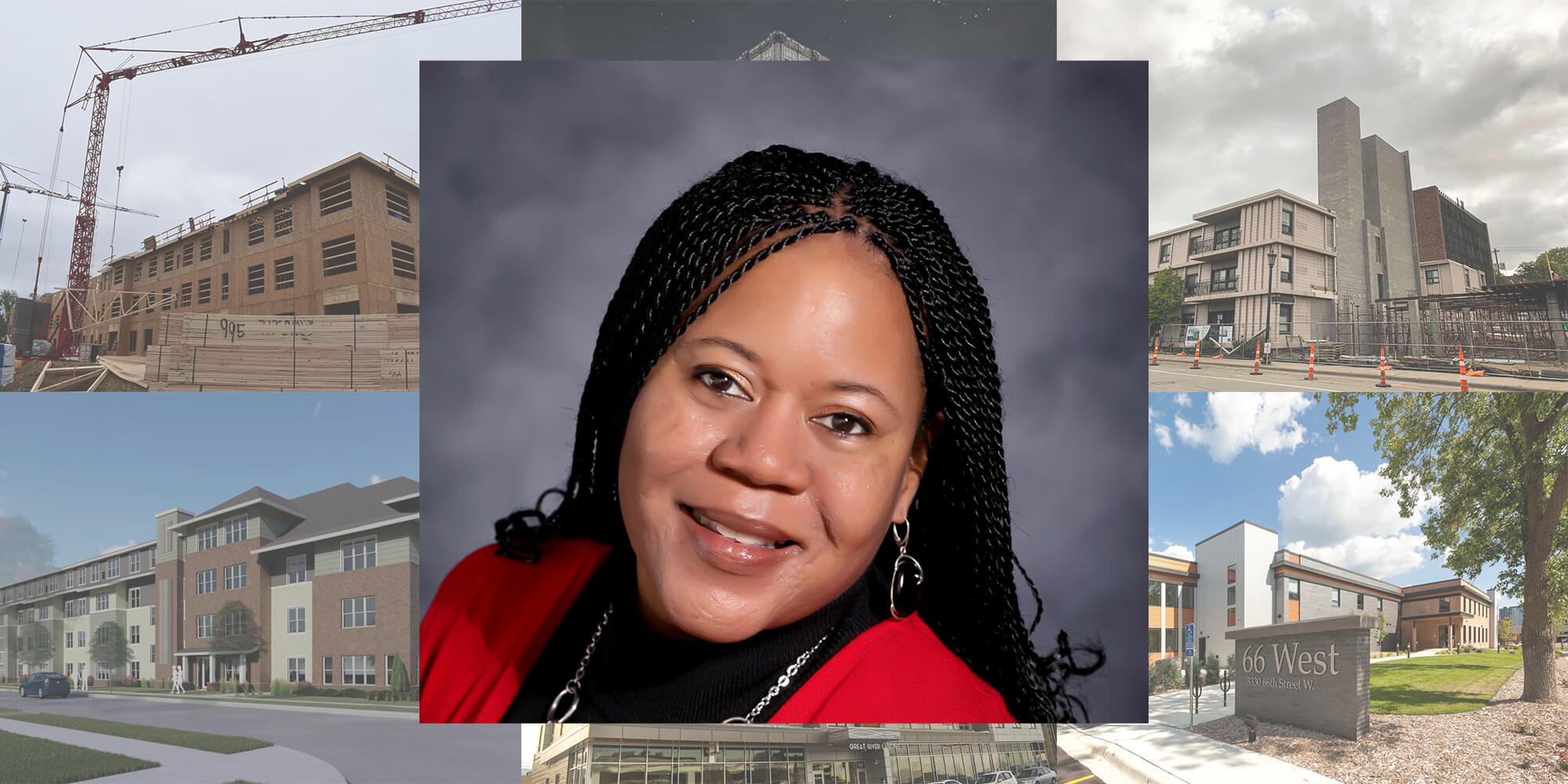
A Staff Q&A with Babette Jamison-Varner, Vice President of Supportive Housing at Beacon Interfaith Housing Collaborative
 We’re excited to welcome Babette Jamison-Varner to the Beacon team. Babette, can you introduce yourself to the collaborative and share what your role entails?
I’d like to begin by sharing the meaning and purpose of Supportive Housing: affordable housing complemented with the access to service providers that give individuals and families tools needed to respond to life challenges or traumas that may have led them into homelessness.
Our supportive housing division partners and collaborates with community-based service providers to begin shaping programs and services based on resident needs.
My role focuses on how we provide and support supportive housing as a building owner. How the programs are structured and what support is given shapes the future outcomes of families and individuals. From foundation to move in, services provided, how residents move on, and more; this role helps Beacon in becoming more person centered.
We have the opportunity to focus on how we support families and collaborate. This role asks the question: How do we support individuals in maintaining their housing? That is at the core of my work.
Before coming to Beacon, what has been your experience in supporting supportive housing?
My experience begins with health and human services, which is an area of work that I didn’t consider until moving to the Twin Cities after graduate school. Moving to the Twin Cities introduced me to a different environment and changed my goals.
I remember what I wanted to accomplish wasn’t a comparable fit for me and the jobs I received. It was through my volunteerism that I found my purpose. My experience goes way back! My career has been enveloped and centered around health and human services.
I began my career in nonprofits as an Advancement Director where I’d write the grants and raise money.
There was a time when I was the CEO of a Housing Authority in Freeport, Illinois. In that role, I had an opportunity to take a closer look at housing subsidies, learned what the residents needed, and saw the challenges residence were facing. I worked hard to reestablish and maintain the Housing Authority, and made sure the community as a whole understood what it means to have a home that’s safe, affordable, and well maintained.
My first opportunity towards supportive housing in particular was at Model Cities of Saint Paul. I am fortunate enough to be able to say that I began with the groundwork in learning how to become a developer with a small organization, and how to develop service delivery plans while being able to visualize the purpose and need for supportive housing.
Coming to Beacon feels like a combination of everything I have worked on. All my past experiences have prepared me for where I am right now.
What is your vision for supportive housing at Beacon?
Thinking about this role and the commitment of our team to Beacon’s mission and values, I envision the merging of time, talents, and passion for community to forward this work of creating affordable housing.
It takes data, best practices, and a continued focus on the individual and families as a whole to execute the kind of affordable housing and services residents need.
Every human being deserves to live in safe, decent, affordable housing no matter the life challenges that may have contributed to them becoming homeless or unhoused. I believe everyone deserves an opportunity to hold a key that opens the door to the place they call home.
Our role at Beacon, in collaboration with other partners, is to offer the support needed and intended to help keep our residents permanently housed.
What will be the framework for supportive housing at Beacon?
The framework I envision responds to the social determinants of health defined by the CDC: “The conditions in the environments where people are born, live, learn, work, play, worship, and age that affect a wide range of health, functioning, and quality-of-life outcomes and risks.”
This framework, alongside walking with and listening to our residents and future residents, contributes to ongoing responsive services and routes toward personal and economic stability.
 What are some of the challenges people in supportive housing are facing? How do we address those challenges?
I think a more pertinent question is, “why is supportive housing necessary.” Many of the challenges individuals and families living in supportive housing face stems way before their lease signing. That can include years of unstable living including long-term and or multiple episodes of homelessness, untreated mental health, addiction, abuse, and neglect.
A Beacon home for those who have experienced homelessness is a refuge. A new beginning. An opportunity. Our supportive housing model in partnership with providers and property management contributes to long-term housing stability.
What do you want early learners to know about supportive housing?
Beacon defines supportive housing as homes coupled with services, rooted in support for those with the greatest unmet needs.
The goal of supportive housing is to move people forward to a place of stability and wellbeing. For us, we believe supportive housing provides home and opportunities for change.
 How does supportive housing contribute to Beacon’s goal of changing the landscape of home?
One thing about having a home is experiencing a sense of community, and being able to integrate into that community.
When creating our homes, we need to ask ourselves: Will families and individuals be able to be part of the community, and how will that look? We’re looking at the best communities for change for families and individuals. Places where they have access to health and good education.
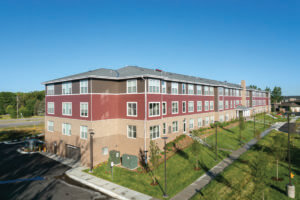
Homes like Cranberry Ridge stand as an example of that. It’s suburban supportive housing near great schools, jobs, and public resources.
I believe supportive housing will help change the landscape of home because it will give all families the access to communities where they can thrive!
What are you looking forward to most in your role?
Getting to know our staff and working across divisions collaboratively. It’s great hearing others talk about their role and responsibilities, but it’s motivating to hear the WHY and HOW and POWER in working together toward common goals.
What else do you want to say to the collaborative?
I want to extend a heartfelt thank you! What attracted me to Beacon was the word ‘collaborative’. This interfaith collaborative brings people together around a common cause. And that cause is to work towards a future where all people have a home. Thank you to everyone for making this vision a reality!