Would the Real St. Patrick Please Stand Up?
by Dan Gregory, Strategic Communications Manager
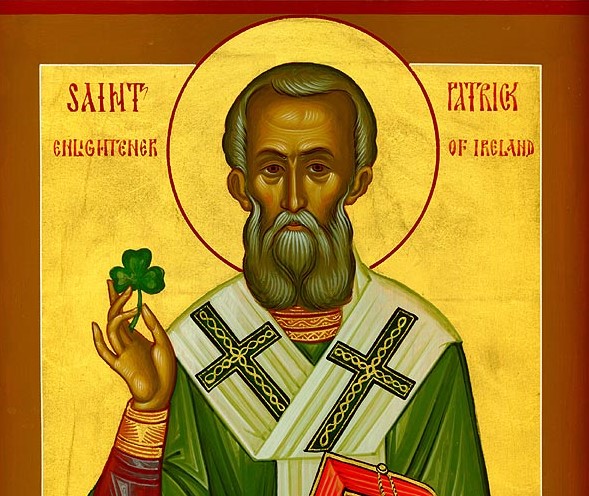
St. Patrick of Ireland has come to mean a lot of things to a lot of people. Most of these attributes emerge from tall-tales and Irish folklore – and American appropriation of Irish culture. But one piece – often overlooked – is very much true, and has a lot of wisdom to offer us today: Patrick’s approach to evangelism.
Most Christian missionaries in the fifth century would come into a town, begin preaching, and wait for people to be convicted by their words. Converts would then be asked to renounce all previous beliefs and adopt the official thought system of the church hierarchy. Local nuance was generally dismissed in favor of a one-size-fits-all mentality.
Patrick didn’t go this route.
Instead, he and the Celtic church that flourished for centuries after him wanted to get to know the community first so they could adapt their teaching to local needs, stories, values, and cherished traditions. It is said that Patrick would camp outside the walls of Irish villages and greet the townspeople as they ventured out on the chores of the day. He would join them in chopping the firewood, carrying water, harvesting the crops. As he worked side-by-side with the villagers, he would get a sense of how to talk with them, in their unique context – about the things they cared about. He would build off of established traditions to strengthen the telling of his story, rather than rejecting and replacing them; no dictating to the community “this is how you’re gonna do things!” Always part of a team effort, Patrick would mentor the small cadre of missionaries with him, and then send them out to duplicate his work – usually with recent converts from the village where they had nurtured relationships. Thus, uniquely-flavored churches rapidly sprang up throughout Ireland, and launched a movement that changed the course of Christianity in western Europe.
So what does St. Patrick of Ireland have to do with Beacon?
Our approach to creating homes and impacting policy is incredibly similar to Patrick’s work. We take the time to listen to the need of the communities where we’re working, seeking to understand the nuance of the local situation. We work together in congregations to figure out where our shared energies reside and how we desire to take action. We build relationships in the community and with leaders to create the public will for change. And as we bring each of these pieces to the table, we develop a shared vision that opens up new possibilities.
So what do I take from St. Patrick today? That we need to be willing to challenge the status quo, rather than accepting the tired line, ‘this is just the way things are.’ That we need to take the time to foster relationships that strengthen our capacity to live out our vision. And that, by being faithful and attentive to our values and process, we can make an impact on thousands of stories – including our own.
That’s definitely worth celebrating!