How the services at Cranberry Ridge help families access greater stability
Written by Dylan Novacek, Content Specialist
“The work we do with the residents at Cranberry Ridge is essential because it enhances their quality of life,” stated Renale Giles, Neighborhood Program Coordinator at Interfaith Outreach. “Whether it’s housing sustainability, food provision, connecting residents to local resources and more, all our services contribute to a thriving community.”
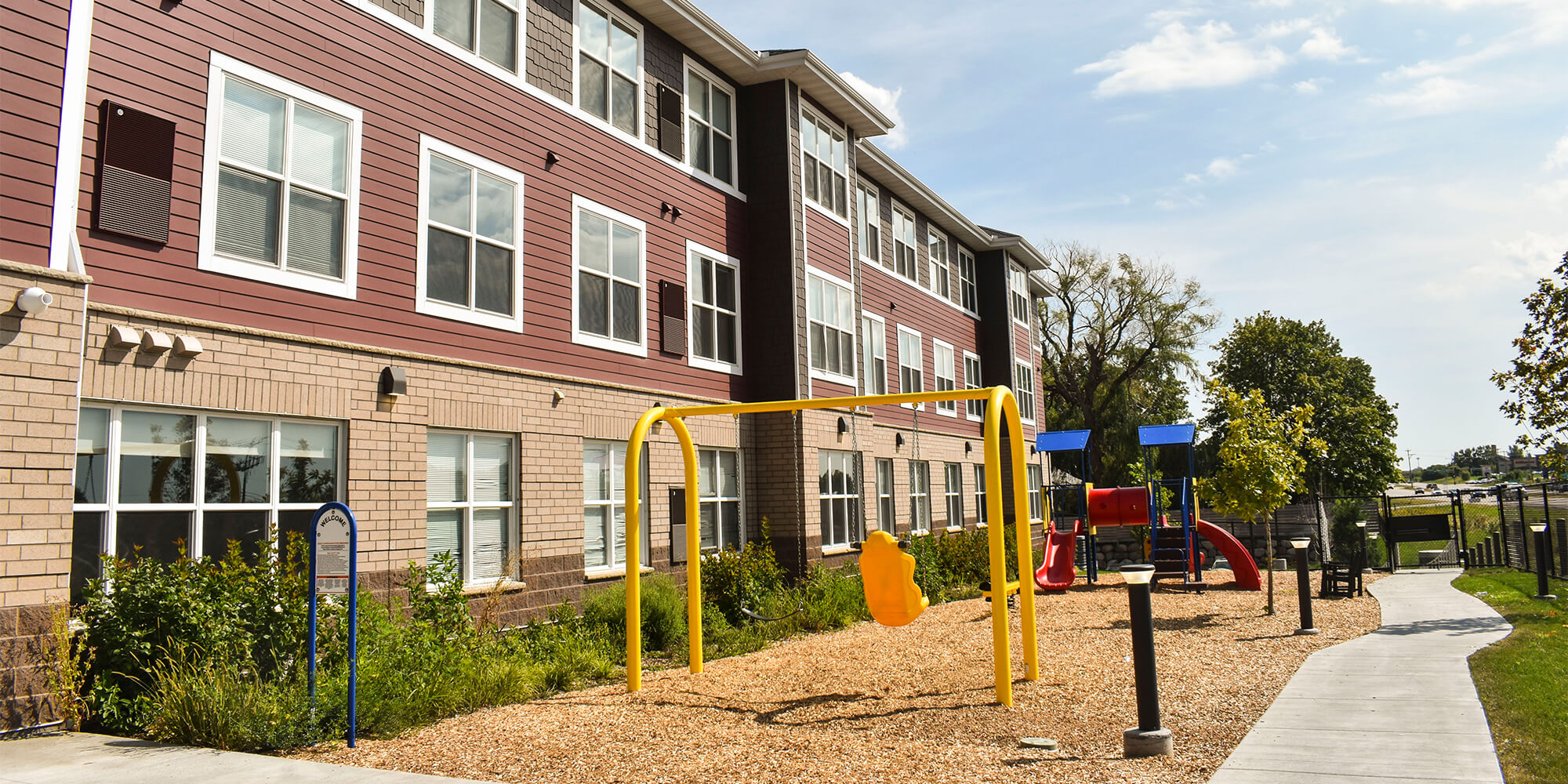
At Cranberry Ridge, family supportive housing from Beacon located in Plymouth, 45 families have access to resources that empower them. With onsite services from our partners at Interfaith Outreach, the building enables families to reach their goals and grow stability in a suburban community they love.
 “I would describe the building as revolutionary,” exclaimed Gabrielle McFadden-Vincent, Permanent Supportive Housing Case Manager at Interfaith Outreach. “We’re working with families that have come from traumatic backgrounds who are navigating other generational barriers that make it hard for them to show up in a daily capacity. Our work is to empower these families.”
Pictured: Renale and Gabrielle
The work that Gabrielle and Renale do in the building reaches every single resident. On one end, everyone receives access to resources and community building from Renale’s implementation of Interfaith Outreach’s Neighborhood Program. At the same time, a subset of residents with Section 8 Housing Vouchers, many who have faced the greatest challenges in finding stability, receive intensive case management support from Gabrielle. Through this wraparound model, all residents can find stability.
Supporting families who’ve face the greatest odds
“In my role as the Permanent Supportive Housing Case Manager, I partner with 12 families who have championed some insurmountable odds,” Gabrielle shared. “It’s beautiful to see them show up everyday for themselves, watching them be vulnerable, and witnessing them build capacity for themselves.”
Through intensive case management with these families, Gabrielle works on crisis management, deep resource connections with community partners, family planning, goal setting, and more. With this comprehensive approach, residents at Cranberry Ridge have all the access to resources which help meet their greatest needs.
“For a lot of these families, this is their first apartment they’ve had by themselves,” Gabrielle continued. “My role is helping them build that capacity and empowerment so they can engage with the things that were once barriers for them. I advocate with them so they can better advocate for themselves.”
“Getting a roof over your head is important. But what do we do after we get someone housed to contribute to their quality of life and wellbeing,” Renale asked. “A huge part of our roles is addressing that piece. Being onsite means we can bring the outside in. We can provide all our Interfaith Outreach services directly onsite such as referrals, connections to Interfaith’s food and clothing shelf, programing and more. Providing this kind of access is so important.”
The Impact of Community Building
The Neighborhood Program is something that makes Cranberry Ridge especially unique. Although not every resident receives the intensive case management support that Gabrielle provides, all residents receive access to Interfaith Outreach’s brand of community building, resources, and tools.
“As the Neighborhood Program Coordinator, one of my top priorities is community building,” Renale explained. “In addition to our IOCP resources, we have relevant and intentional partnerships that we feel our community will benefit from, such as local congregations, park district staff, public schools, or mental health counselors. Part of community building is making sure residents have access to the resources that meet their needs after getting stabilized in their home.”
One way Renale and her team build community at Cranberry Ridge is through monthly community meals, where residents can enjoy an evening of wonderful conversation with great food.
“It’s a space to be together. The outcome is neighbors getting to know each other and building friendships that reflect out into the community,” Renale continued. “There is so much talent in this building that residents share with each other. One even shared his culinary skills by facilitating a cooking class with us for our teenage residents. The class cultivated a healthy, safe space that built self esteem and life skills. And the resident who taught the class felt so empowered by the opportunity.”
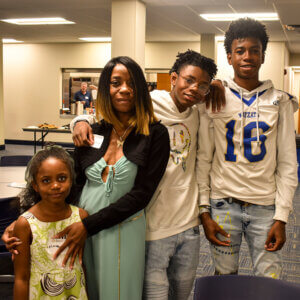 For Renale and Gabrielle, witnessing residents grow and thrive is the greatest highlight of their work. Through building authentic relationships, the service team at Cranberry Ridge show up to partner with the residents every day.
Pictured: Cranberry Ridge resident Amanda and her family. Click here to read how Amanda’s home at Cranberry Ridge has impacted her.
“I lead with being culturally congruent and trauma informed. That’s key when working in permanent supportive housing,” Gabrielle said, reflecting on her relationships with residents. “Sometimes this work means getting a resident to leave their apartment once a day. After discussing empowering and supportive relief outcomes, I have one resident that walks around the community with her family and partner. That’s special to me because she feels safe enough to do that here. Being a survivor of domestic violence, she hasn’t felt that kind of safety. But she does here.”
The Importance of Place and Access
“Housing is a fundamental, basic human right,” Renale asserted. “Buildings like Cranberry Ridge are essential components to ending homelessness and bringing people into safe communities. They create a more equitable world, and they eat away at the redlining that has locked people of color out of these neighborhoods in the first place.”
According to the Wilder Foundation, policies including redlining, racial covenants and discriminatory zoning has denied people of color the same opportunities to generate wealth as white homeowners and led to racially segregated neighborhoods. Due to this, chronic disinvestment in lower income neighborhoods has led to individuals not having access to employment opportunities, higher quality housing, education and more.
With our current housing crisis, The National Low Income Housing Coalition estimates* that the Twin Cities metro will need 100,000 more apartments and more homes to be affordable to the lowest-income Minnesotans at 30% or less of the area median income, and another 80,000 for those making 50% of the area median income.
At Beacon we’re creating more affordable homes for families in the metro, particularly in suburban areas, to help meet the need and give all our neighbors the access to quality, affordable homes.
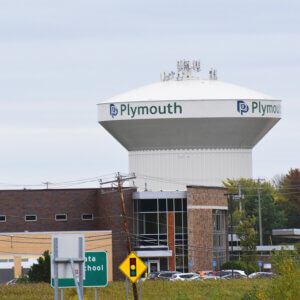 Located in the suburbs, Cranberry Ridge’s location helps enable residents to access amenities they wouldn’t have had anywhere else. For the youth who call the building home, they are in close proximity to their local elementary, middle and high schools. For parents, it means being close to jobs, necessities like health care, and a wide range of grocery stores and shopping. These homes help give families coming out of homelessness and instability access to the high-quality communities and services they deserve.
“It’s a deserving opportunity for families,” Renale affirmed. “A lot of times, families who are in affordable housing are in locations that create barriers for them.”
“Here they have the opportunity to be somewhere they never thought they could have access to,” Gabrielle continued. “There are populations out there who are deserving of the opportunities that surround housing in areas like this.”
With it’s unique combination of services, location, and affordability, Cranberry Ridge stands as an example of how family supportive housing in the suburbs helps empower families. With our onsite service partners at Interfaith Outreach, families receive the connections they need to grow their stability in a community they love.
“Our services make a difference,” Gabrielle concluded. “It’s the difference between just surviving and thriving. Here, our families thrive.”
It takes $1,000 a month per resident to support the services resident receive at Beacon’s 11 homes with onsite services. Click here to learn how you can help empower residents through onsite services.
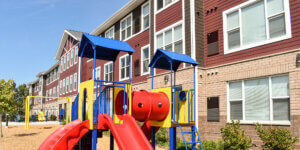
Click here to learn more about Beacon’s partnership with Interfaith Outreach, and click here to read about the new playground at Cranberry Ridge!
*The data point from The National Low Income Housing Coalition was reported on by the Minneapolis Star Tribune in this article from July of 2023.