How supportive housing helps end homelessness
Written by Dylan Novacek, Content Specialist
 “Lydia is my domain,” Jom shared. “It’s been an amazing blessing to be here. I have my own four walls, and I know I have support all around me.”
Before becoming a resident at Lydia, deeply affordable and supportive housing from Beacon, Jom felt he’d run out of options. Describing his time without a home as a pattern of moving from incarceration to short-term shelter to being back on the streets, Jom couldn’t find housing that met his needs.
Despite the obstacles, Jom found an affordable home with on-site supportive services at Lydia.
“I am so happy to be here,” Jom celebrated. “I want to spread awareness that places like Lydia exist. But awareness is just half the battle.”
By-the-numbers: Homelessness and housing insecurity in Minnesota
This data comes from the Minnesota Housing Partnership’s 2024 State Housing Profile.
- 600,000+ households, and 115,000+ extremely low-income households are cost-burdened, meaning they pay more than they can afford toward housing.
- 50% of all renters are cost-burdened.
- 19,600 Minnesotans experience homelessness on any given night, with an estimated 66% of those being Black, Indigenous, or People of Color.
“A lot of homeless individuals get taken advantage of,” Jom sighed. “It felt like everything I did when I was homeless came at a cost. It’s hard to save money when everything sets you back. It was even harder when I couldn’t find a place that could help me get on my feet.”
Supportive housing as a path to stability
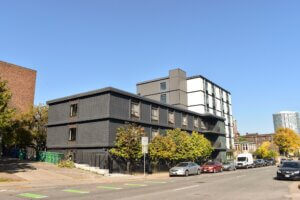 “A Beacon home for those who have experienced homelessness is a refuge,” shared Babette Jamison-Varner, Beacon’s Vice President of Supportive Housing. “We collaborate with our service partners to offer residents the support they need to help keep them permanently housed.”
With case managers from Avivo on site at Lydia, residents have someone to walk alongside them on their journey to stability. As case managers work towards advocating for residents and connecting them to resources, residents like Jom know they don’t have to do this alone.
“My caseworkers are teaching me so much about self-care,” Jom smiled. “It’s hard to open up to someone about this stuff, and this is the only place I feel comfortable doing that. I tell them how I am feeling, and they listen and understand. I feel so balanced now.”
Homes like Lydia play a vital role in the housing ecosystem. Residents who have experienced multiple occurrences of housing instability receive a home they can afford, as well as resources and tools that help them thrive.
The solution is home
Since Lydia opened in 2003, Beacon’s portfolio has grown to 21 buildings serving adults, families, and youth and young adults, with five more buildings in development.
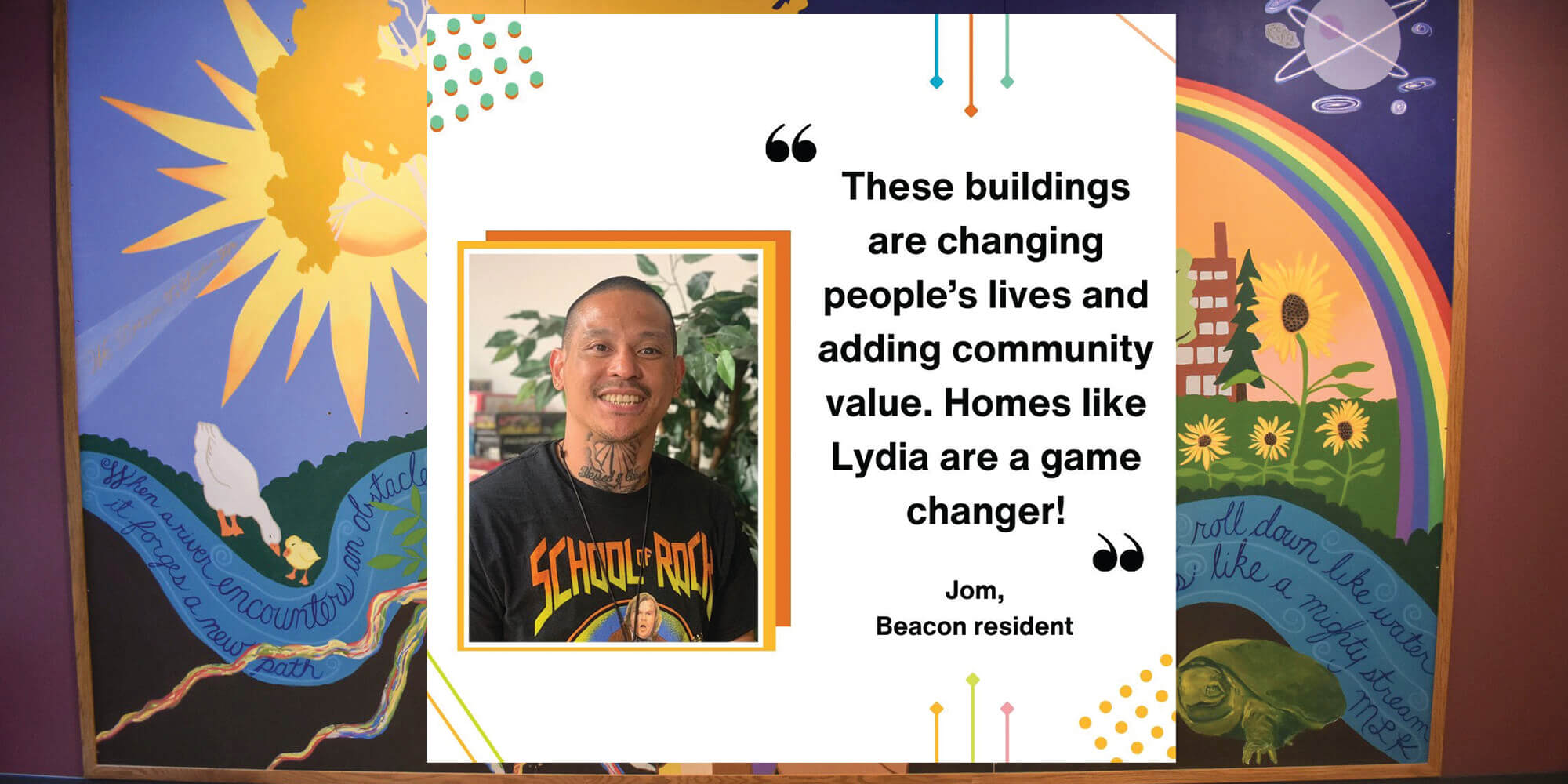
“These buildings are changing people’s lives and adding community value,” Jom insisted. “It’s not just a program people go through. It’s a stepping-stone to the start of my new life! This goes far beyond the dollars donated. Homes like Lydia are a game changer!”
Beacon is changing the landscape of home by creating and sustaining deeply affordable and supportive housing. When adequately resourced, supportive housing has been proven to be one of the most effective solutions to ending homelessness.
If you’d like to support homes like Lydia apartments, and residents like Jom as they work toward greater stability, please consider donating to Beacon. Your support changes lives.